Jakarta, Indonesia · Care is always free for the families we serve

What we do

Our programs

Three connected services: care delivered at home, a clinic that travels, and the training that spreads both further than our own team can go.

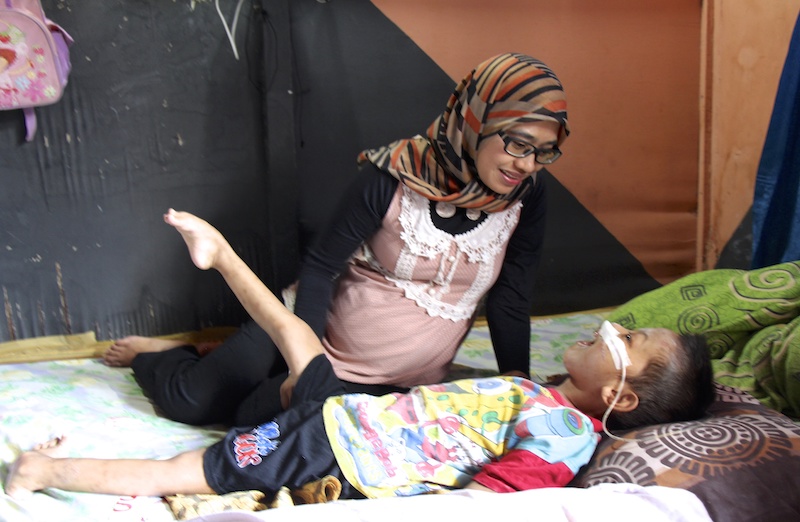
A Rachel House nurse sitting with a child resting on a mattress at home
Program 01

Children’s Palliative Care Service

Free home visits from paediatric palliative nurses for children living with cancer, HIV and other life-limiting conditions across Jakarta.

What it changes

Children referred by hospitals and community clinics receive ongoing home care, symptom relief and family support for as long as they need it.

How it works

  1. Referral. A hospital, clinic or community health worker refers a child to our service. There is no fee and no waiting list for pain.
  2. First visit. A nurse visits the family at home, assesses the child’s pain and symptoms, and agrees a care plan with the parents.
  3. Ongoing care. Regular visits continue, adjusting medication, dressing wounds, supporting nutrition and coaching the family.
  4. Bereavement. If a child dies, our team stays with the family — through the funeral and the months that follow.
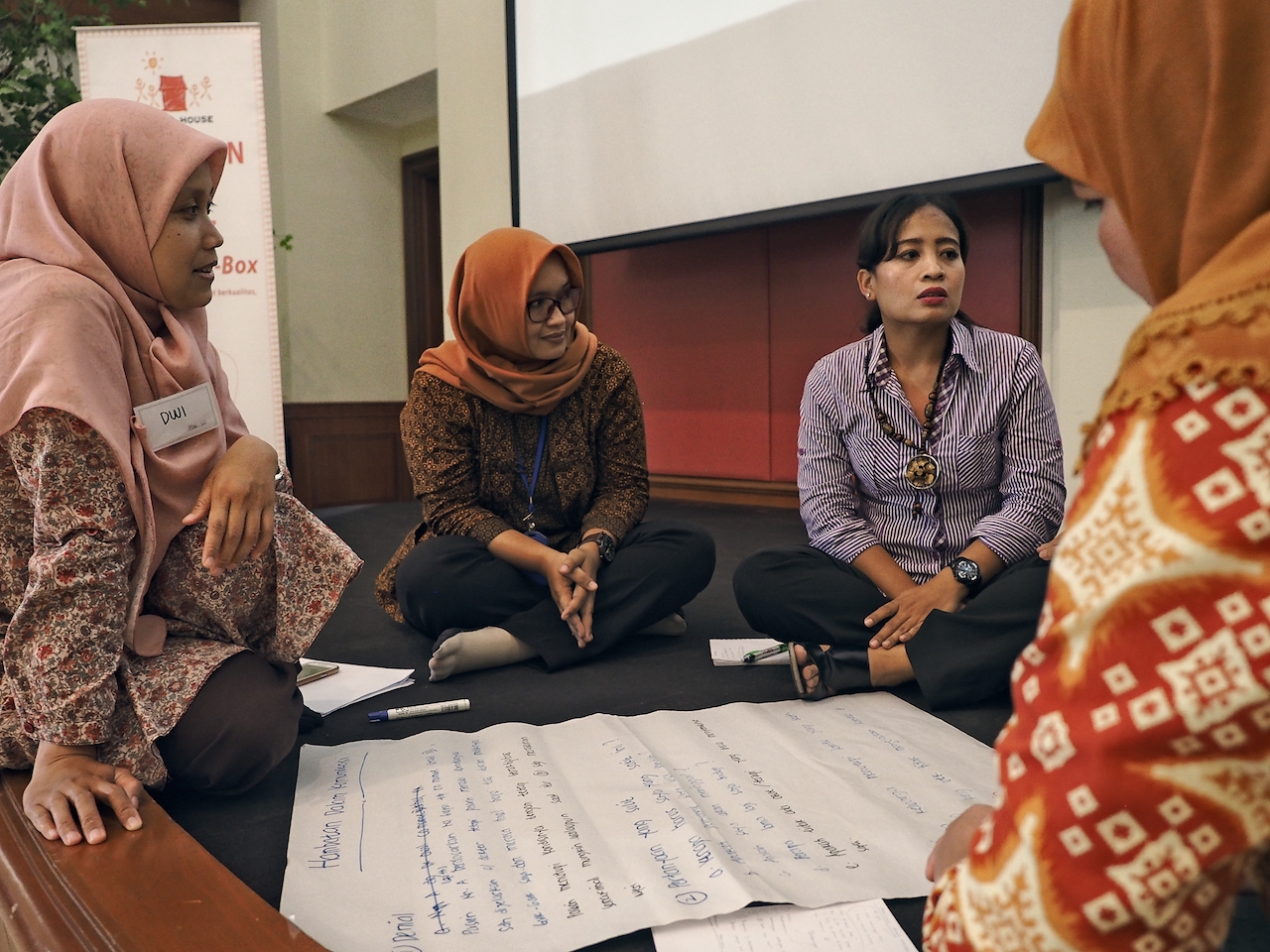
Health workers sitting on the floor beside a Clinic-in-a-Box banner during a Rachel House workshop
Program 02

Clinic-in-a-Box

A portable clinic a nurse can carry on the back of a motorbike, turning a family’s living room into a place where a child can be properly assessed and treated.

What it changes

Care no longer depends on whether a family can afford the bus fare to a hospital, or carry a child who is in too much pain to be moved.

How it works

  1. Packed. Assessment tools, dressings, oral medications and record forms are packed into a single sealed case.
  2. Carried. The kit travels with the nurse — by motorbike, on foot through narrow alleys, or by public transport.
  3. Opened. In the home, the kit becomes a working clinic: examination, wound care, medication and teaching in one visit.
  4. Restocked. Supplies are logged and replenished at base, so the next family receives the same standard of care.
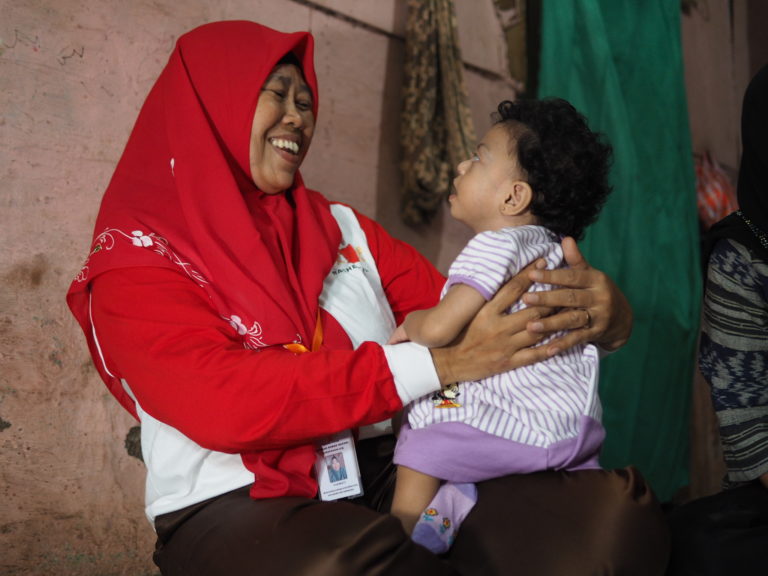
A community cadre trained by Rachel House holding a baby at home
Program 03

Community Network of Palliative Care

Training and mentoring for community health workers, nurses and doctors so that children in districts our own team cannot reach still receive skilled palliative care.

What it changes

Every trained health worker becomes a permanent point of care in their own community, long after a workshop ends.

How it works

  1. Partner. We work with puskesmas, hospitals, universities and local government to identify where the need is greatest.
  2. Train. Workshops cover pain assessment, symptom management, communication with families, and ethics of care for children.
  3. Mentor. Trainees stay connected to our clinical team for case discussion and support after the training ends.
  4. Sustain. Local champions carry the practice forward, adapting it to the resources their community actually has.
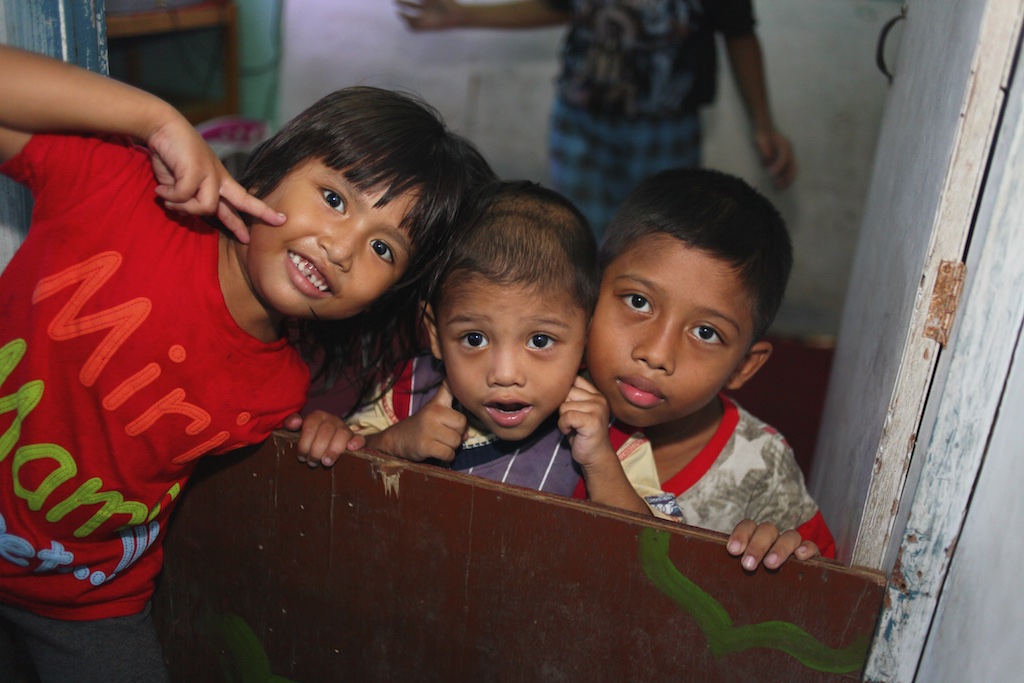
Three children leaning out of a doorway in their neighbourhood

Take one small step

One gift, three programs

Donations are pooled across our services so that funding follows the child who needs it most this week.

Volunteer Donate